
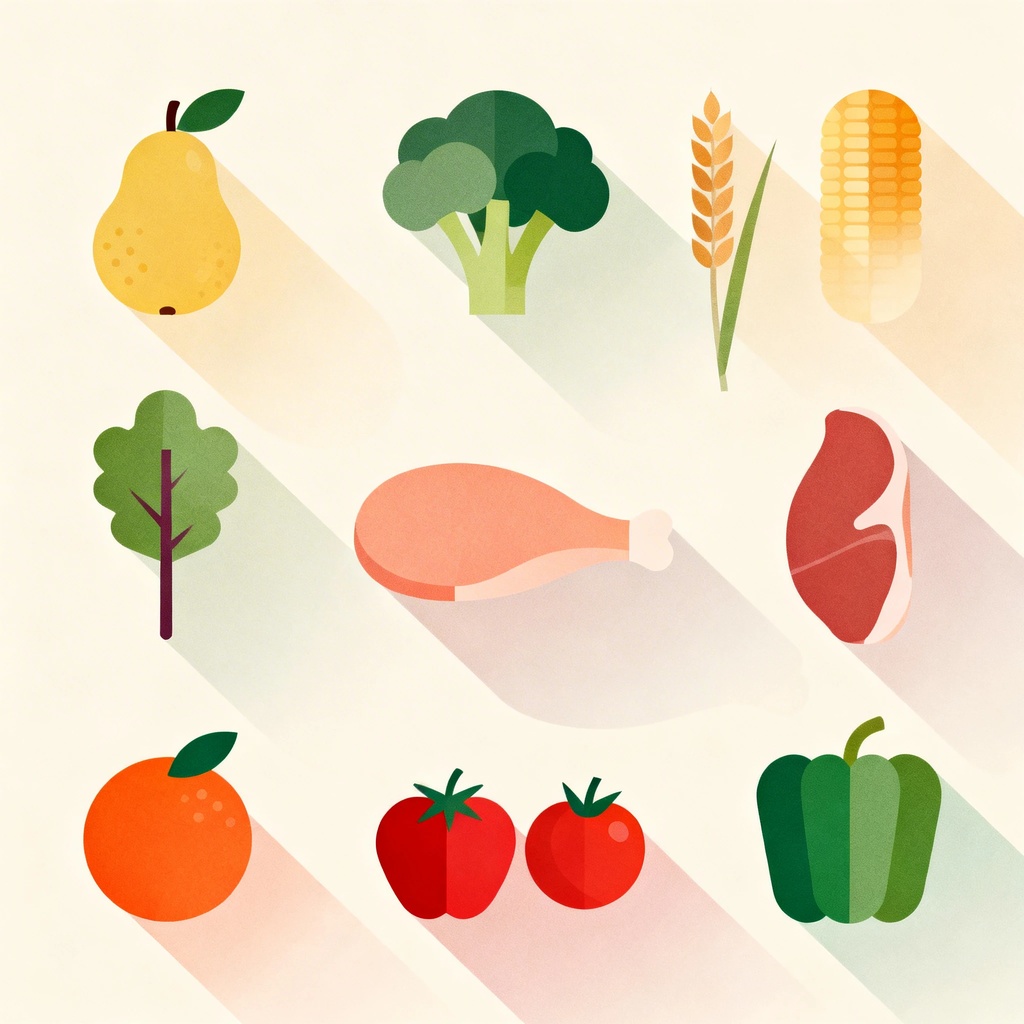
A balanced diet is essential for maintaining overall health and longevity. Essential nutrients include carbohydrates, proteins, fats, vitamins, and minerals. Each plays a crucial role in bodily functions, energy production, and cellular repair.
Carbohydrates are the body’s primary source of energy. They provide glucose, which is necessary for brain function and physical activity. Opt for whole grains, fruits, and vegetables for complex carbohydrates, as they are rich in fiber and nutrients.
Proteins are vital for growth and repair of tissues. They are made up of amino acids, some of which are essential and must be obtained from the diet. Good sources of protein include lean meats, fish, dairy products, legumes, and nuts.
Fats are essential for the absorption of fat-soluble vitamins (A, D, E, and K) and provide a concentrated source of energy. Healthy fats can be found in avocados, olive oil, and fatty fish like salmon. It is important to limit saturated and trans fats found in processed foods.
Vitamins and minerals play various roles in metabolic processes. For instance, Vitamin C boosts the immune system and aids in the absorption of iron, while calcium is crucial for bone health. Eating a variety of fruits and vegetables will help you meet your vitamin and mineral needs.
Hydration is another key component of a healthy diet. Water is essential for every cell in your body, and being adequately hydrated helps maintain energy levels, improves concentration, and supports overall health. Aim to drink at least eight glasses of water a day, or more if you are physically active.
In conclusion, a diet rich in a variety of nutrients is crucial for maintaining good health. Focus on whole food sources and balance your intake of carbohydrates, proteins, and fats to ensure you are getting the nutrients your body needs.